

Interventional Radiology

Role in Patient Care | Types of Procedures | Procedure Approach | Coordination of Care | Clinical Applications | Clinical Value

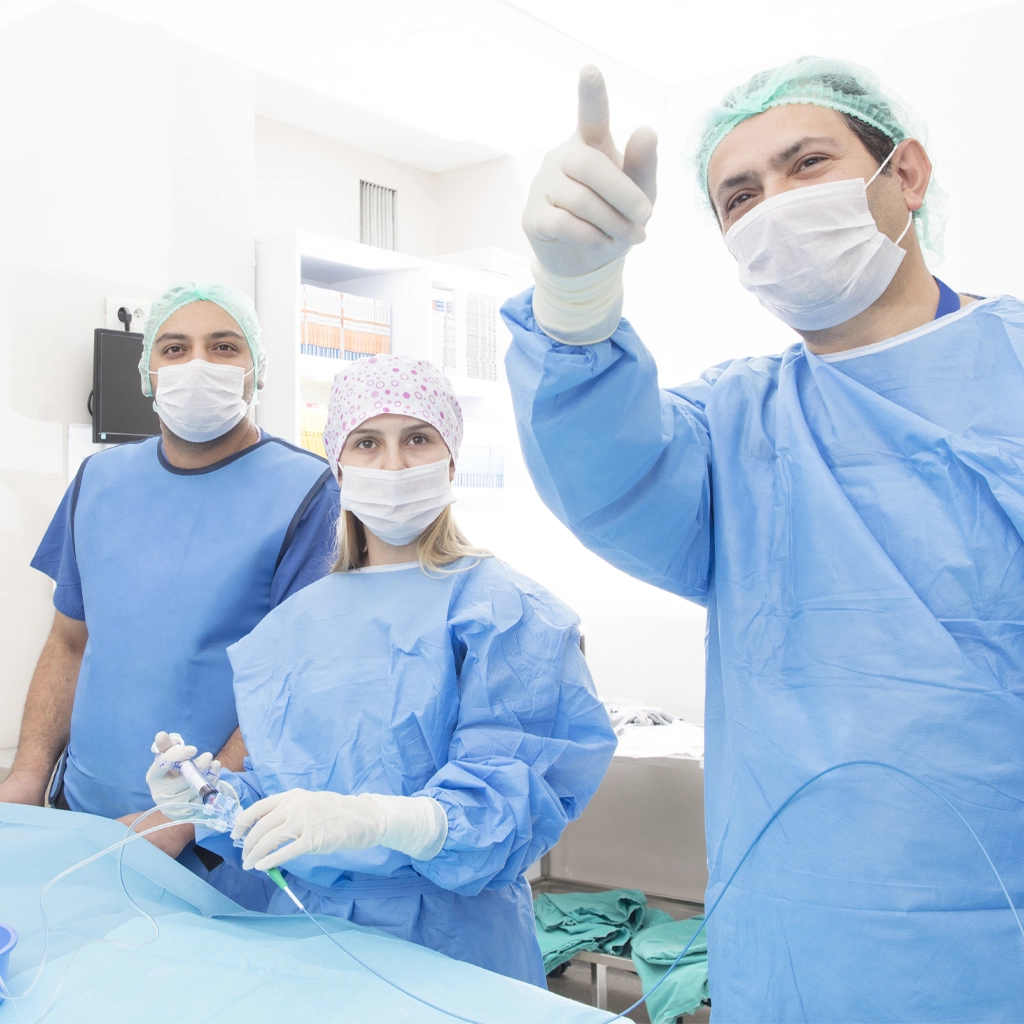
Interventional radiology (IR) includes a range of image-guided procedures used to diagnose and treat a variety of conditions without the need for traditional open surgery. At Skagit Radiology, these procedures are performed with real-time imaging guidance to access targeted areas of the body precisely. In most cases, IR procedures are coordinated with referring providers and incorporated into broader patient management plans rather than performed as standalone services.

IR services are provided in hospital-based settings, where appropriate procedural support, monitoring, and follow-up care can be coordinated as needed. The specific procedure selected depends on the clinical indication, patient condition, and overall treatment strategy.
Interventional Radiology

Role in Patient Care

Interventional radiology differs from other imaging services in that it focuses on treatment rather than evaluation alone. While diagnostic imaging identifies a condition, IR procedures are often used to address it directly. This may include obtaining tissue samples, relieving symptoms, restoring function, or delivering targeted therapy.

In many cases, IR procedures serve as an alternative to surgical intervention, particularly when a less invasive approach is appropriate. Compared to traditional surgery, these procedures are typically performed with smaller incisions, shorter recovery times, and reduced overall procedural risk. As a result, IR is frequently incorporated into treatment planning across multiple specialties.

Types of Procedures

A wide range of procedures falls under interventional radiology. These include image-guided biopsies, fluid drainage procedures, vascular access placement, and targeted therapies delivered through the vascular system. Imaging guidance may involve fluoroscopy, ultrasound, or CT, depending on the type of intervention and the anatomy being treated.

Common examples include biopsies of soft tissue or organ lesions, drainage of abscesses or fluid collections, and placement of central venous access devices. Vascular procedures may involve both evaluation and treatment of arterial or venous conditions, including narrowing or blockage of blood vessels.

Each procedure is selected based on the patient’s clinical needs and is tailored to the specific condition being addressed.

Procedure Approach

Interventional radiology procedures are performed under imaging guidance to target the area of interest accurately. This approach allows for precise access while minimizing disruption to surrounding tissue. Depending on the procedure, access may be obtained through a small incision or through the vascular system using catheter-based techniques.

Procedures are typically performed using local anesthesia, moderate sedation, or other appropriate levels of procedural support. The specific approach depends on the type of procedure, patient factors, and clinical indication. Imaging guidance is used throughout the procedure to monitor progress and confirm accurate placement or delivery of treatment.

Because these procedures are minimally invasive, many can be completed with shorter recovery times compared to traditional surgical approaches. In some cases, procedures are performed on an outpatient basis, while others may require short-term observation depending on the complexity of the intervention.

Coordination of Care

Interventional radiology procedures are performed in coordination with referring providers and are integrated into the patient’s overall care plan. Imaging findings from prior studies are used to guide procedural planning, and procedural results are communicated to the referring provider to support ongoing management.

IR is often used in conjunction with other treatments, including medical therapy, surgery, or additional imaging. For example, a biopsy may be performed to guide oncologic treatment decisions, while a drainage procedure may be used to manage infection before further intervention.

This coordinated approach allows interventional radiology to function as part of a broader clinical pathway rather than as a standalone service.

Clinical Applications

Interventional radiology is used across a wide range of clinical scenarios. In oncology, it supports both tissue diagnosis and targeted treatment planning. In vascular care, it may be used to evaluate and treat conditions affecting blood flow. In infections or inflammatory conditions, it provides minimally invasive options for drainage or management of complications.

IR procedures are also used when patients may not be ideal candidates for surgery, offering alternative treatment options that reduce procedural risk while still addressing the underlying condition.

Clinical Value

The value of interventional radiology lies in its ability to combine imaging with treatment in a minimally invasive way. By using real-time imaging to guide procedures, IR enables targeted interventions with high precision.

In practice, interventional radiology expands available treatment options and allows many conditions to be managed with less invasive approaches than would otherwise be required.

Many minimally invasive treatments performed today rely on image-guided precision techniques similar to those outlined in these interventional radiology service examples.

Contact us today for more information about interventional radiology procedures, or click below to meet our radiologists.